Community Outreach Readiness Checker
This interactive tool helps you evaluate your suitability for the role of a Community Outreach Worker. Answer the questions honestly to see how well your current skills align with the core duties described in the article.
Loading question...
Your Outreach Profile
0%You see them at the local library, knocking on doors in cold weather, or sitting across from someone who hasn’t spoken to another human being in weeks. They are community outreach workers. But what do they actually do all day? It’s not just handing out flyers. If you’re considering this career path, hiring one, or wondering why your neighbor is talking to a stranger with such patience, understanding the specific duties of this role clears up a lot of confusion.
This job sits right at the intersection of social work, public health, and grassroots organizing. Unlike a caseworker who might manage files behind a desk, an outreach worker goes where the people are. They bridge the gap between isolated individuals and the systems designed to help them. Whether it’s connecting a homeless veteran to housing services or helping a single parent navigate childcare subsidies, the core mission remains the same: proactive connection.
The Core Mission: Proactive Engagement
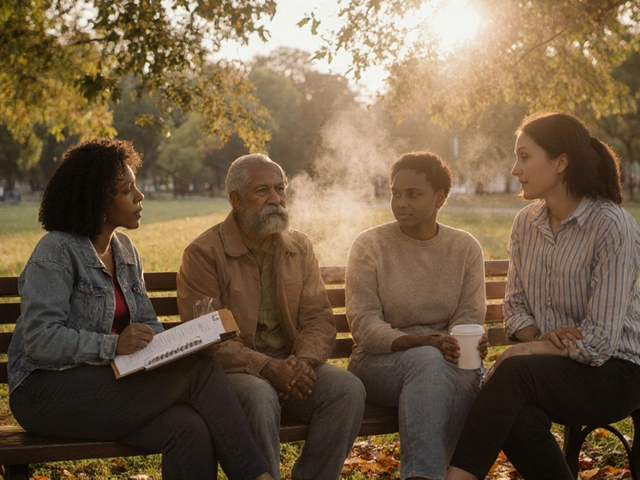
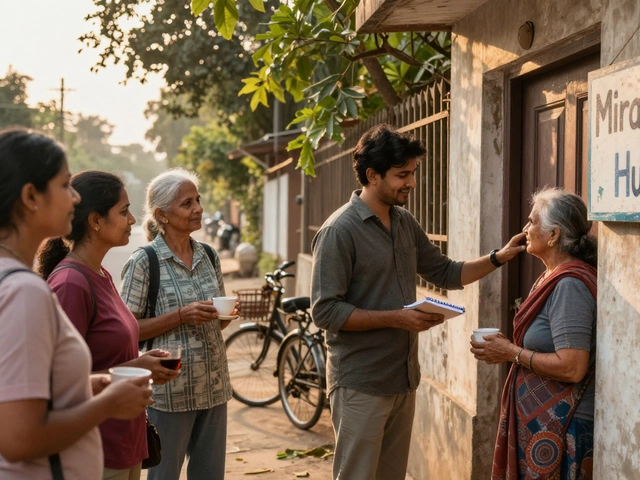
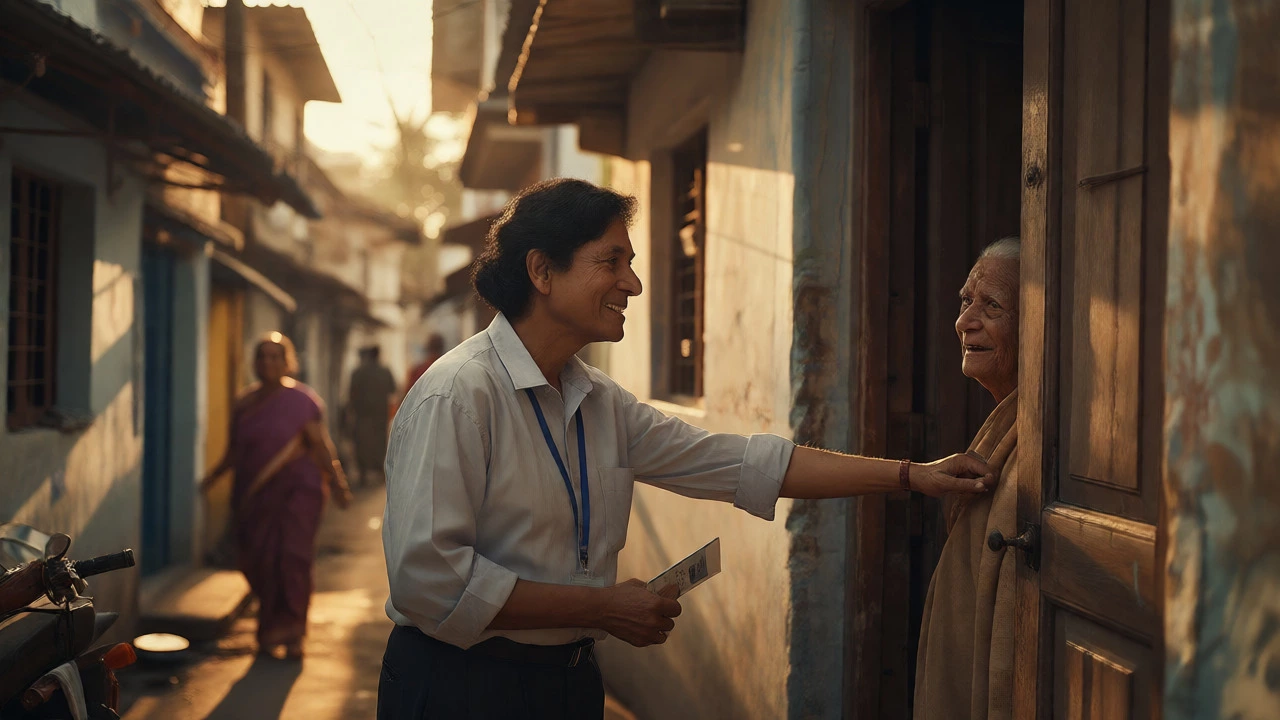
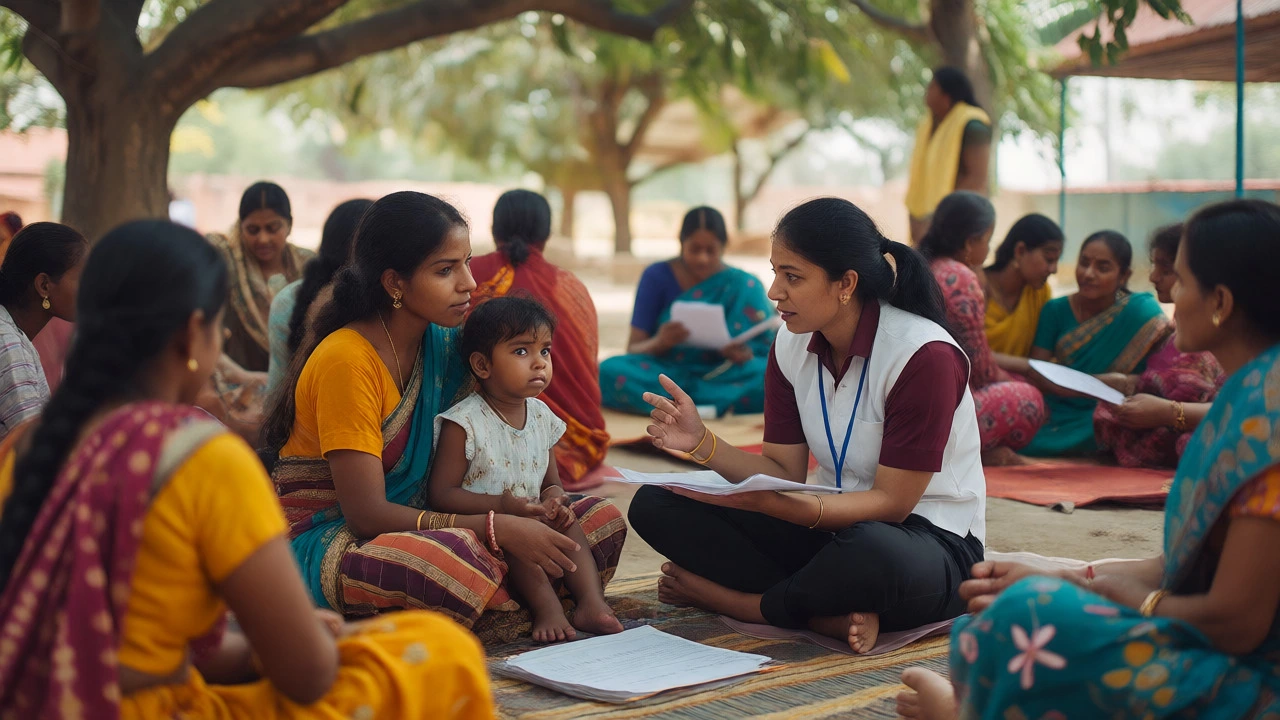
The primary duty of a community outreach worker is to identify and engage individuals who are disconnected from essential services. This isn't about waiting for someone to walk into an office; it's about going to them. In New Zealand, for example, this often means spending time in parks, community halls, or even door-to-door in rural areas where transport is scarce.
Why does this matter? Because many vulnerable populations-elderly folks living alone, youth at risk, or migrants unfamiliar with local systems-don’t know help exists or feel too intimidated to ask for it. The outreach worker acts as the trusted intermediary. They build relationships first, solving problems second. You can’t fix someone’s housing situation if they don’t trust you enough to tell you where they’re sleeping tonight.
Daily tasks involve scanning the community for signs of distress or isolation. This requires sharp observational skills. Is that regular at the café looking thinner? Has the group at the park stopped meeting? These subtle cues trigger the outreach process. It’s detective work mixed with empathy.
Building Trust and Relationships
If there’s one skill that defines this role, it’s the ability to build rapport quickly. You have minutes, sometimes seconds, to make a positive impression on someone who might be skeptical of authority figures or social services. This duty involves active listening, cultural sensitivity, and genuine curiosity.
In diverse communities, like those found in Wellington or Auckland, understanding cultural protocols is non-negotiable. An outreach worker must respect different communication styles, religious practices, and family structures. For instance, approaching a Pasifika elder requires different etiquette than engaging with a young tech-savvy student. Misreading these cues can shut down a conversation before it starts.
- Active Listening: Hearing what isn’t said. Often, the stated problem ("I need food") masks the real issue ("I’m lonely and depressed").
- Cultural Competence: Knowing how to greet, when to speak, and how to show respect across different cultures.
- Consistency: Showing up repeatedly. Trust is built over time, not in one interaction.
This relationship-building phase often looks unproductive to outsiders. You might spend three hours talking to one person without signing a single form. That’s okay. The goal is engagement, not immediate transaction completion.
Resource Navigation and Referral
Once trust is established, the next major duty is connecting people to resources. This sounds simple, but the landscape of social services is notoriously complex. Funding cuts, eligibility criteria, and bureaucratic red tape can overwhelm even savvy individuals. The outreach worker simplifies this maze.
They maintain a deep, up-to-date knowledge of local services. Which food bank accepts vouchers? What are the current wait times for mental health counseling? Does this shelter allow pets? Answering these questions accurately saves clients time and frustration. It’s not just about giving a phone number; it’s about walking alongside the client until they access the service.
| Resource Type | Typical Challenges | Outreach Worker Action |
|---|---|---|
| Housing Support | Long waitlists, strict documentation | Help gather documents, advocate for priority status |
| Mental Health Services | Stigma, fear of judgment | Normalize therapy, accompany to first appointment |
| Food Security | Lack of transport, shame | Arrange delivery, link to community fridges |
| Employment | Skill gaps, confidence issues | Refer to training programs, practice interviews |
Effective referral requires follow-up. Did the client actually go to the appointment? If not, why? Was the bus fare too high? Did they get scared? Troubleshooting these barriers is part of the daily grind.
Program Development and Advocacy
Outreach workers aren’t just passive connectors; they’re active agents of change. By witnessing systemic failures firsthand, they become powerful advocates. If multiple clients struggle with the same issue-say, lack of affordable childcare in a specific suburb-the outreach worker gathers data and presents it to decision-makers.
This duty involves collecting anecdotal evidence and quantitative data. How many families were turned away last month? What feedback did clients give about the new online portal? This information helps organizations tweak their programs to better serve the community. It’s bottom-up policy influence in action.
Additionally, outreach workers often help design new initiatives. They might organize a community lunch to reduce isolation among seniors or set up a mobile health clinic for remote neighborhoods. Their ground-level perspective ensures these programs are practical and accessible, not just theoretical exercises done in boardrooms.
Documentation and Administrative Duties
Let’s address the elephant in the room: paperwork. While fieldwork is the heart of the job, administration keeps the lights on. Funders need proof of impact. Governments require statistics. Therefore, documenting interactions is a critical duty.
This doesn’t mean writing novels after every chat. Efficient note-taking focuses on key details: who was contacted, what needs were identified, what referrals were made, and what outcomes occurred. Using digital tools or apps can streamline this, allowing workers to input data via smartphone while still in the field.
Poor documentation leads to funding cuts. If you helped ten people find housing but didn’t record it properly, it’s as if it never happened. Balancing empathetic engagement with precise record-keeping is a tough skill to master but essential for job longevity.
Self-Care and Professional Boundaries
This role carries emotional weight. You hear stories of trauma, poverty, and loss daily. Without proper boundaries, burnout is inevitable. A key, often overlooked duty is managing one’s own well-being.
Professional boundaries protect both the worker and the client. Being friendly doesn’t mean becoming friends. Offering a ride home is helpful; letting a client move into your spare room because you couldn’t say no is a boundary breach. Outreach workers must learn to say "no" compassionately and recognize when a situation exceeds their scope of practice.
Supervision and peer support groups are vital here. Regular check-ins with managers provide space to process difficult cases. Ignoring this duty leads to compassion fatigue, where the worker becomes numb or cynical, undermining their effectiveness.

Key Skills for Success
To thrive in this role, certain attributes are more important than any degree. While qualifications in social work or community development help, soft skills drive success.
- Resilience: You will face rejection. People may ignore you, yell at you, or refuse help. Keep going.
- Communication: Adapting your language to match the listener’s level and style.
- Problem-Solving: Thinking creatively when standard solutions fail.
- Time Management: Juggling field visits, admin, and meetings without dropping the ball.
Technology literacy is also increasingly required. Many services now use CRM (Customer Relationship Management) software. Being comfortable with data entry and basic analytics makes you more valuable to employers.
Challenges and Rewards
Is it hard? Yes. Salaries in the sector often lag behind corporate jobs, despite the high emotional labor involved. Funding uncertainty means contracts can be short-term, adding stress. You might work evenings or weekends when community events happen, disrupting work-life balance.
But the rewards are tangible. There’s nothing quite like seeing a client stabilize their life because of a connection you facilitated. Watching a shy teenager gain confidence through a program you organized, or seeing a homeless individual secure permanent housing, provides deep professional satisfaction. You see the direct impact of your work in real-time.
For those in New Zealand, the emphasis on whānau (family) and community-centric models adds a layer of cultural richness to the work. Understanding Te Ao Māori (the Māori world view) enhances outreach efforts significantly, making the role deeply rewarding for those committed to bicultural practice.
Frequently Asked Questions
What qualifications do I need to become a community outreach worker?
While a bachelor’s degree in social work, psychology, or sociology is common, many roles accept equivalent experience. Certificates in Community Work or Mental Health First Aid are highly valued. Soft skills like empathy and communication often outweigh formal credentials in hiring decisions.
How is a community outreach worker different from a social worker?
Social workers typically handle case management, legal responsibilities, and crisis intervention within a structured agency. Outreach workers focus on proactive engagement, building initial trust, and connecting people to services. Outreach is often the first step before deeper social work involvement occurs.
Do community outreach workers work only indoors?
No. A significant portion of the job happens outdoors or in community spaces. You might visit homes, parks, streets, or local businesses. Office time is usually reserved for documentation and planning, but the core work is in the field.
Is this a stressful job?
It can be. Exposure to trauma, resource scarcity, and administrative pressure contributes to stress. However, strong supervision, clear boundaries, and supportive team environments mitigate this. Many workers find the emotional reward balances the challenges.
What are the typical working hours?
Hours vary by employer. Some roles are standard 9-to-5, but many require flexibility. Evening and weekend shifts are common to accommodate community events or client availability. On-call duties may apply in crisis response roles.