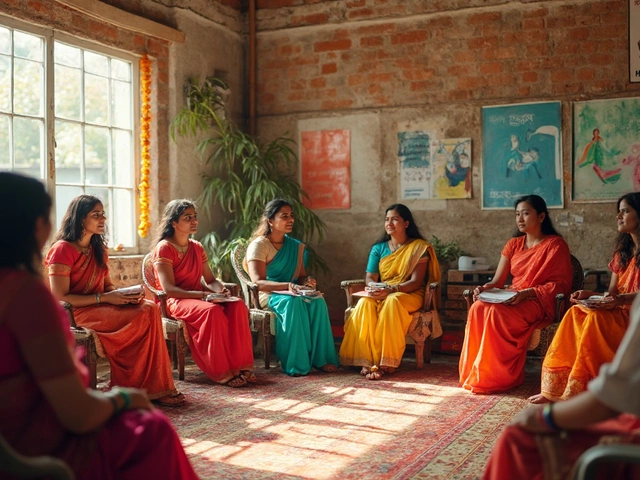
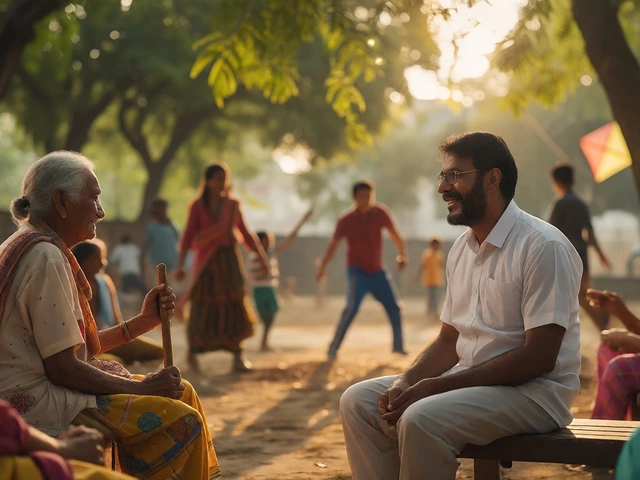
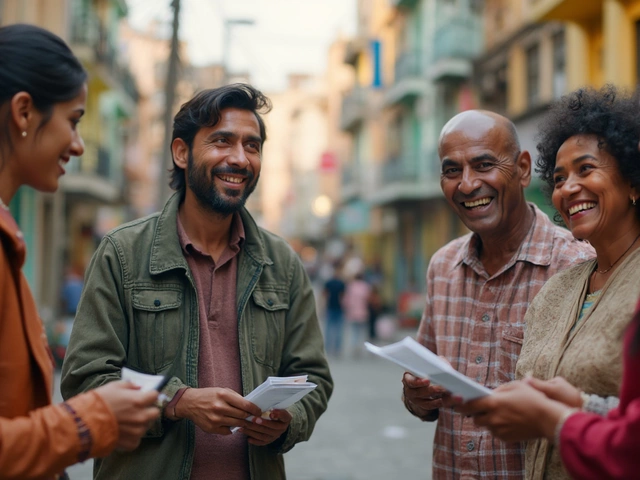
When you're trying to make a difference in your neighborhood, it's not enough to just have a good idea. You need people to show up, to care, to stick around. That’s where outreach comes in. But here’s the hard truth: community outreach isn’t about flyers, social media posts, or even big events. It’s about trust. And trust doesn’t get built by broadcasting-it gets built by showing up, again and again, in the same places, with the same people.
Why Most Outreach Fails
Most organizations start with the same mistake: they treat outreach like a campaign. They design a slick poster, run a Facebook ad, host a one-day event, and call it a win. Then they wonder why no one shows up next month. In Wellington, a local food bank tried this exact approach. They spent $5,000 on digital ads promoting a free meal event. Over 200 people came the first week. The second week? 40. The third? 12. Why? Because they didn’t build relationships-they sold a service. People didn’t feel seen. They felt like numbers in a funnel. Real outreach doesn’t ask people to come to you. It goes to them.The Best Form of Outreach: Door-to-Door, Person-to-Person
The most effective form of outreach isn’t fancy. It’s simple: knocking on doors, talking to people where they live, work, or gather. Not with a clipboard. Not with a sales pitch. With curiosity. In 2024, the Miramar Community Hub started a program called ‘Walk the Block.’ Volunteers didn’t hand out flyers. They asked three questions:- What’s one thing you wish your neighborhood had more of?
- What’s something you already do to help others?
- Is there a time you’d be open to helping out-maybe just once a month?
What About Events and Social Media?
Events and social media aren’t useless. But they’re support tools-not the core. Think of them like a megaphone, not a handshake. A community garden in Lower Hutt used Instagram to announce a planting day. Only 15 people came. Then they started sending handwritten notes to neighbors who’d previously asked about food scraps for compost. They invited them personally. 47 people showed up the next time. The Instagram post? Still there. But the handwritten note? That’s what moved people. Social media works best when it follows up on real conversations-not replaces them. A post saying, “Thanks for coming to the park cleanup yesterday, Maria. We’ve got another one next Saturday-would you be up for bringing your kids?” That’s outreach. A generic post saying, “Join our cleanup!” isn’t.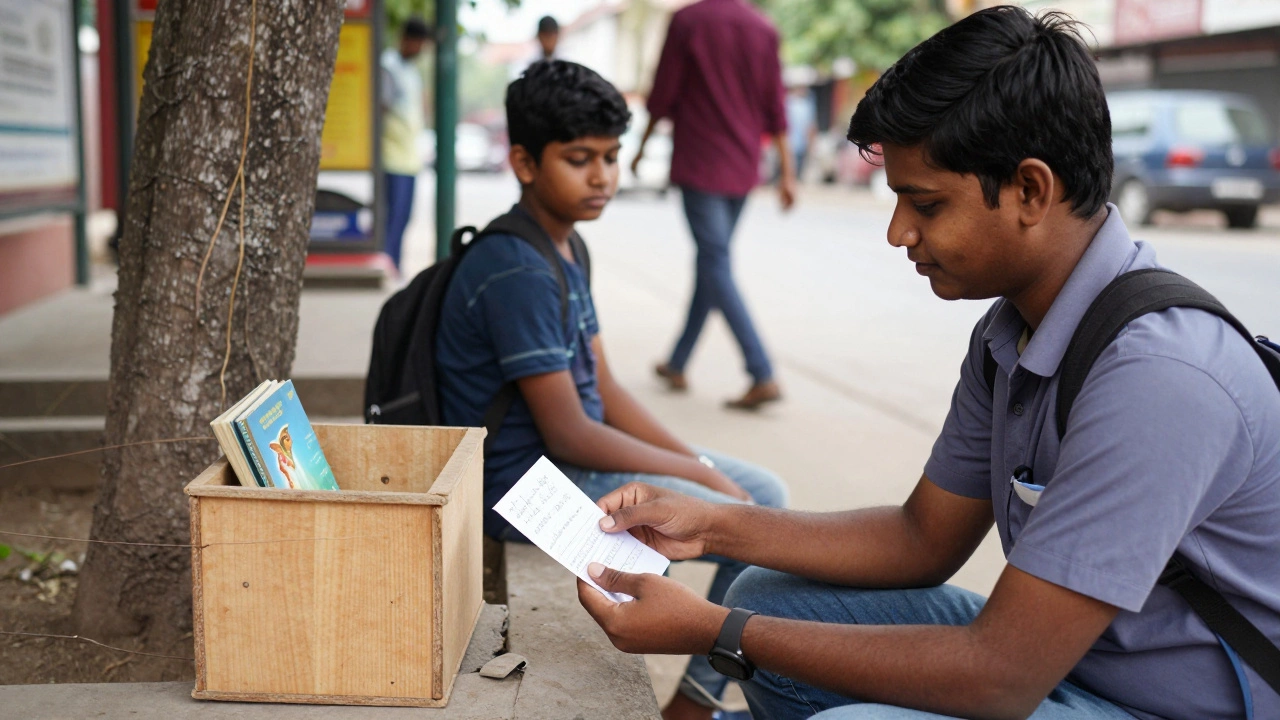
Who Should Do the Outreach?
Too many organizations use paid staff or volunteers who don’t live in the community. That’s a problem. People can tell when you’re an outsider. The best outreach teams are made up of people who already live there. A single mom who picks up her kids from the after-school program. A retired teacher who walks the dog at the local park every morning. A young guy who fixes bikes at the library. These aren’t volunteers with a schedule. They’re neighbors with a stake. They know who’s been quiet lately. Who’s missing the food drop. Who’s too proud to ask for help. In 2025, a Wellington homelessness support group shifted from hiring outreach workers to training long-term residents. Within a year, they doubled their contact rate with people sleeping rough. Why? Because the people they reached trusted them-not the logo on their jacket.How to Start Without a Big Budget
You don’t need a team. You don’t need a van. You need:- One person willing to show up weekly.
- A notebook.
- Two hours of time.
- The courage to ask, “What do you need?”-and really listen.
What Doesn’t Work
Avoid these traps:- Asking people to sign petitions before you know their name.
- Using jargon like “stakeholder engagement” or “capacity building.”
- Waiting for people to come to you.
- Thinking more events = more impact.
- Letting volunteers do all the work without training them to listen.
Real Change Happens in the Quiet Moments
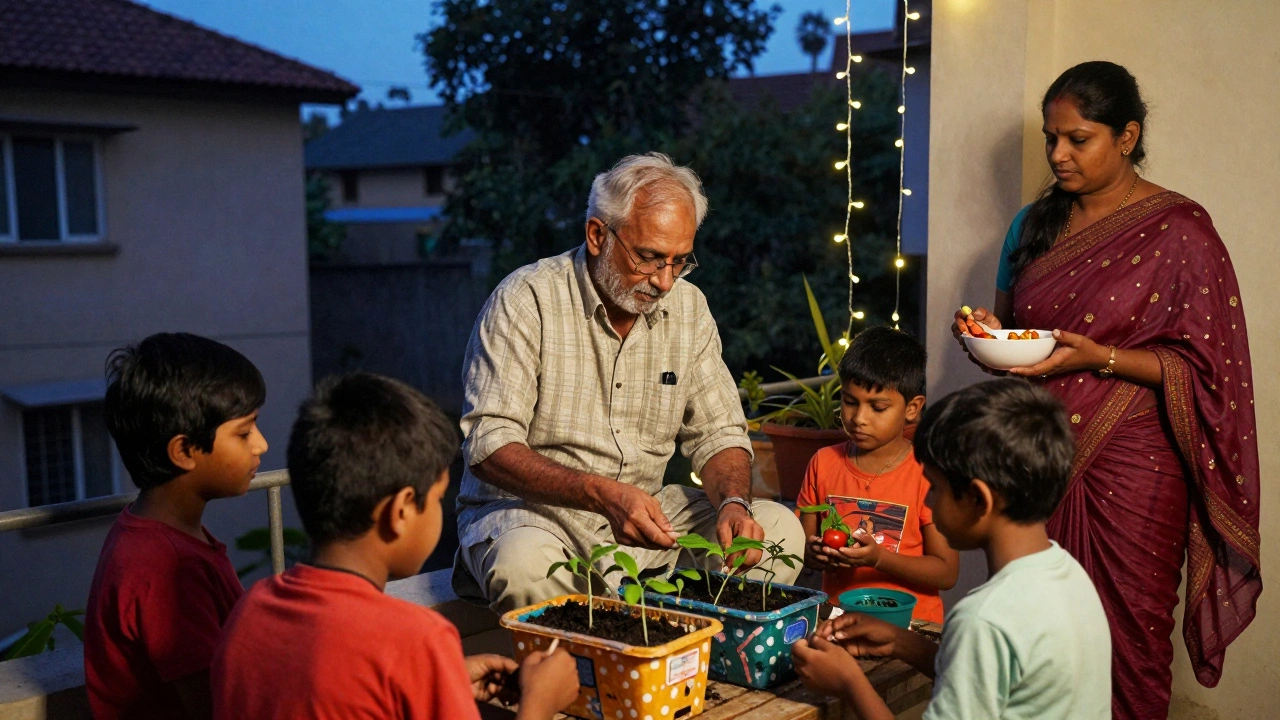
The best outreach doesn’t make headlines. It doesn’t get featured on the news. It’s the woman who brings soup to her neighbor who lost his job. The teen who starts a book swap at the bus stop. The elder who teaches kids how to grow tomatoes on the balcony. That’s the real form of outreach. Not a program. Not a campaign. A habit. A rhythm. A way of living together. If you want to change your community, stop trying to convince people. Start listening to them. Show up. Again. And again. And again.Is door-to-door outreach still effective in 2026?
Yes-more than ever. Digital noise has made personal connection rare. People are hungry for real conversation. Door-to-door outreach works because it cuts through the clutter. In Wellington, programs that do it consistently report 3x higher long-term engagement than those relying on online campaigns. The key is consistency: showing up weekly, not just during campaigns.
What if people don’t want to talk?
That’s normal. Not everyone will open up. Some will shut the door. Others will say, “I’m fine.” Don’t push. Leave a simple note: “Hi, I’m from the Miramar Hub. We’re just checking in. No pressure. If you ever want to chat, here’s my number.” Keep showing up. Trust builds slowly. One person might not respond for months-then suddenly call you when they need help. That’s when you know you’ve earned their trust.
Do I need training to do outreach?
Not formal training. But you need to learn how to listen without fixing. Most people want to be heard, not solved. Avoid jumping in with advice. Instead, practice reflective listening: repeat back what they said in your own words. “So you’re saying you’d help if there was a way to share tools with neighbors?” That’s it. You don’t need a degree. You need presence.
Can social media replace in-person outreach?
No. Social media is useful for reminders and updates, but it can’t replace the emotional weight of a real conversation. A Facebook event might get 50 clicks. A handwritten note to someone you’ve met twice might get them to show up and bring three friends. Online tools amplify real relationships-they don’t create them.
How do I measure success in outreach?
Stop counting events or sign-ups. Track relationships. How many people do you know by name? How many have you checked in on twice? How many have offered to help without being asked? Success isn’t how many people you reach-it’s how many people feel seen. Keep a simple log: names, notes, follow-ups. That’s your real metric.