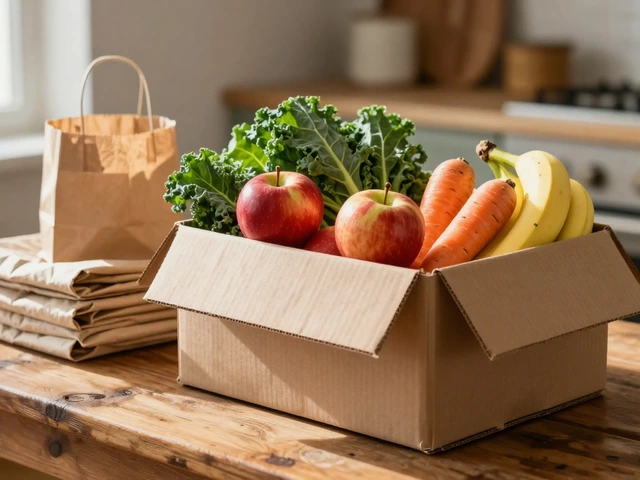
Food Bank Finder & Eligibility Checker
Check Your Eligibility
You’re running low on groceries. Your paycheck won’t cover everything this month. Maybe you’re working two jobs and still falling behind. Or maybe you just lost your job, and the bills keep piling up. You see a sign for a local food bank and wonder-can anyone go to a local food bank? The short answer? Yes. Almost anyone can.
Food banks aren’t just for the homeless
A lot of people think food banks are only for those sleeping on the street. That’s not true. Food banks serve people who are working, studying, caring for kids, or managing chronic illness. They serve families who skipped meals so their kids could eat. They serve seniors on fixed incomes who have to choose between medicine and milk. In Wellington, over 1 in 7 households reported struggling to afford enough food in 2024, according to the New Zealand Food Network. That’s not a small group. That’s your neighbor, your coworker, your kid’s teacher.How food banks actually work
Most food banks don’t ask for proof of income, ID, or a referral. You walk in, you say you need help, and they give you food. Some places might ask you to fill out a simple form-just your name, how many people you feed, and maybe your postcode. That’s it. No one checks your bank balance. No one calls your employer. The goal isn’t to judge. The goal is to feed people. In New Zealand, food banks operate mostly through local charities, churches, and community centers. Organizations like Foodbank Wellington, The Salvation Army, and local marae run weekly distributions. You might get a box with rice, canned beans, pasta, vegetables, milk, eggs, and sometimes fresh bread. Some even offer hygiene items like soap and toothpaste.Who qualifies? The real rules
There are no strict rules. But here’s what most places look for:- You’re having trouble affording food
- You’re living on a low or fixed income
- You’re facing unexpected costs-like a medical bill or car repair
- You’re a student, single parent, or caregiver
- You’re between jobs or working part-time
What if you’re embarrassed to go?
Feeling ashamed is normal. You’re not alone. Most people who use food banks feel the same way at first. But here’s the truth: using a food bank doesn’t make you weak. It makes you smart. It means you’re taking care of yourself and your family when times are tough. And it frees up money for rent, medicine, or bus fare to get to work. Food bank staff aren’t there to judge. They’re there to help. Many of them have used food banks themselves. One volunteer in Lower Hutt told me last year, "I came here when I lost my job. Now I come back to give back. That’s how this works."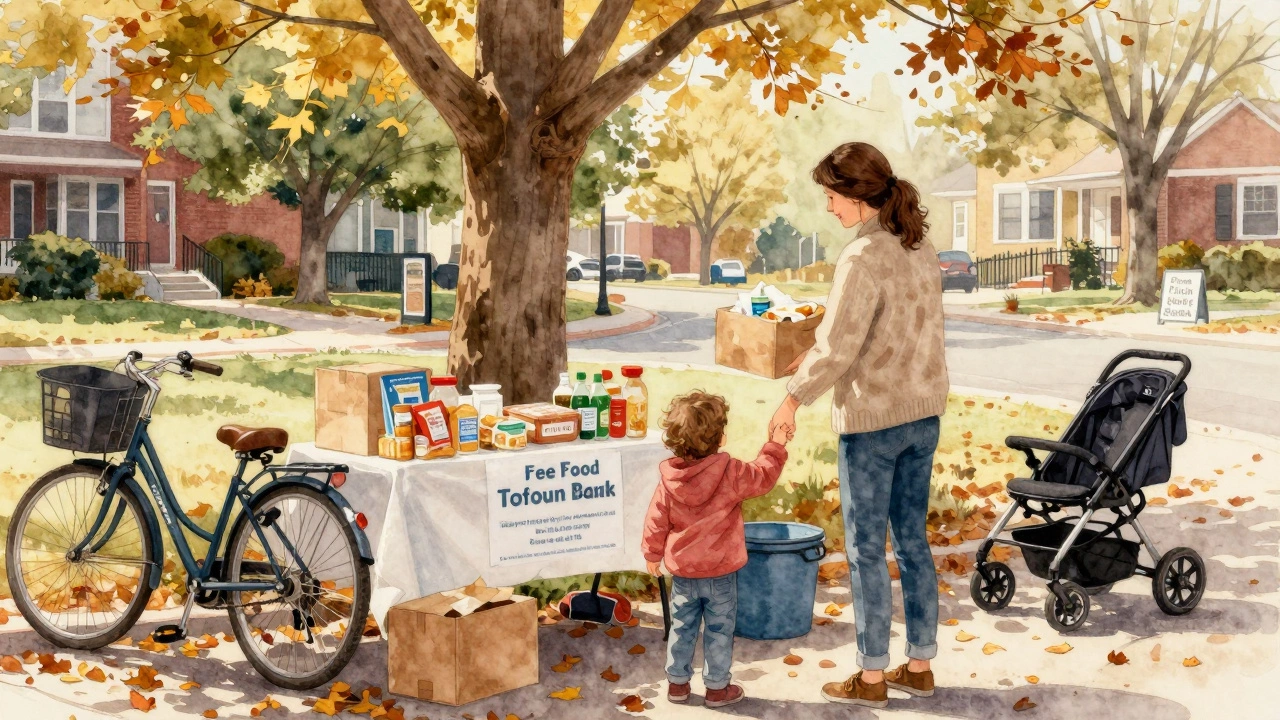
How often can you go?
Most food banks let you visit once a week or every two weeks. Some have limits to make sure everyone gets a fair share. But if you’re still struggling after a few visits, they’ll help you find other support-like budgeting advice, government aid, or job training programs. You’re not on your own.What if you don’t live near a food bank?
Not every neighborhood has a food bank right on the corner. But that doesn’t mean you’re out of luck. Many food banks offer delivery for people with disabilities, chronic illness, or no transport. Some partner with community centers to run pop-up distributions in parks or libraries. Others work with schools to send food home with kids on Fridays. If you’re not sure where to go, call 0800 444 444 (Free Phone) or visit the Foodbank NZ website. They’ll find the closest spot for you. No judgment. No paperwork. Just help.It’s not charity. It’s community.
Food banks aren’t a sign of failure. They’re a sign that your community still cares. They exist because people like you and me decided that no one should go hungry in a country with enough food for everyone. In 2024, New Zealand food banks distributed over 20 million meals. That’s not just numbers. That’s 20 million times someone got to eat when they thought they wouldn’t. You don’t need to be broke to need help. You don’t need to be desperate to ask. You just need to be human.What to bring when you go
Honestly? Nothing. But if you want to make things easier:- Bring a bag or box to carry your food
- Know how many people you feed (adults and kids)
- Wear comfortable clothes-you might wait a little while
- Be polite. The staff are tired, overworked, and doing their best
What you won’t get
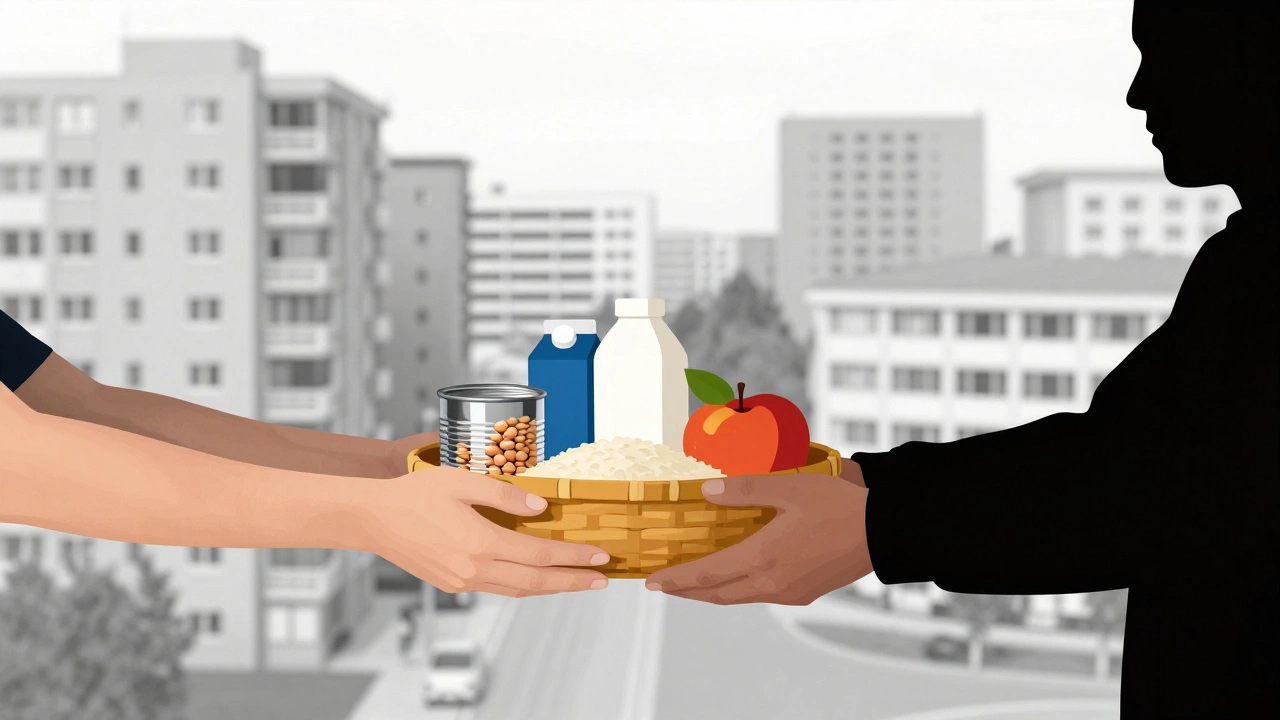
Food banks don’t give you luxury items. No steaks. No imported cheese. No gourmet snacks. You won’t get frozen pizza or soda in bulk. They focus on nutrition and shelf life. That means canned goods, dried pasta, rice, beans, oats, eggs, milk, and fresh produce when they have it. It’s not fancy. But it’s enough to keep you going.Can you donate?
If you’ve got extra food, yes-please donate. Non-perishables like canned tuna, beans, pasta, peanut butter, and cereal are always needed. So are hygiene items: toothpaste, soap, shampoo, tampons. Don’t donate expired food. Don’t donate broken packaging. And don’t feel bad if you can’t give. Not everyone can. But if you can, even one can of beans helps.Why this matters
Food insecurity isn’t a myth. It’s real. It affects children’s ability to learn. It makes adults sick from stress and poor nutrition. It pushes families apart. And it’s growing. In 2025, food banks in New Zealand saw a 17% increase in demand compared to 2023. Wages haven’t kept up. Rent is higher. Energy bills are crushing. Food banks are the safety net we didn’t know we’d need so badly. But here’s the hopeful part: you can fix this. Not by feeling guilty. Not by donating once a year. But by showing up-for yourself, for your neighbor, for the person next to you in line.Final thought
Can anyone go to a local food bank? Yes. If you’re hungry, you belong there. No questions. No shame. Just food. And maybe, just maybe, a little bit of kindness from someone who’s been there too.Do I need proof of income to get food from a food bank?
No. Most food banks in New Zealand don’t ask for ID, pay slips, or proof of income. They ask how many people you feed and your postcode, if at all. The system is built on trust, not bureaucracy.
Can I go to a food bank if I’m employed?
Yes. Many people who use food banks have jobs. Wages are too low to cover rent, bills, and food. A single parent working 30 hours a week might still need help putting meals on the table. Employment doesn’t disqualify you-financial need does.
How often can I visit a food bank?
Most food banks allow visits once a week or every two weeks. Limits exist so everyone gets a fair share. If you need more help, they’ll connect you with other services like Work and Income, budgeting support, or community housing programs.
Do food banks give fresh food?
Yes. Many food banks now include fresh vegetables, fruit, eggs, and bread when available. Partnerships with local farms and supermarkets help reduce waste and improve nutrition. Fresh food isn’t guaranteed every week, but it’s becoming more common.
Can I get help if I’m not a citizen or permanent resident?
Yes. Food banks in New Zealand serve everyone in need, regardless of immigration status. No one asks for a visa or passport. If you’re hungry, you’re welcome. Human need doesn’t care about paperwork.
What if I’m too sick or disabled to go to a food bank?
Many food banks offer free delivery for people with mobility issues, chronic illness, or no transport. Call ahead or ask when you visit-they’ll arrange it. Some even deliver to rest homes and supported housing.
Can I volunteer if I’ve used a food bank before?
Absolutely. Many volunteers started as clients. There’s no stigma. In fact, people who’ve been through hardship often make the most compassionate volunteers. Your story helps others feel less alone.
Are food banks only open during business hours?
No. Many operate in the evenings or on weekends to make it easier for people who work during the day. Some even run weekend distributions. Check local listings or call ahead to confirm hours.