After-School Snack Budget & Planner
Estimate your costs and get tailored snack ideas that balance nutrition, cost, and kid approval.
Plan Your Session
You know the drill. The final bell rings at 3:15 PM. Thirty kids flood into the room, buzzing with energy, and suddenly you’re staring at a cooler that’s half-empty or a budget that won’t stretch to cover pizza for everyone again. Choosing after school club food isn't just about filling stomachs; it's about managing blood sugar crashes, preventing meltdowns, and keeping parents happy without blowing your operating budget.
If you run an after-school program in New Zealand (or anywhere else), you’ve likely faced the classic dilemma: do you go for the easy, processed option that kids love but parents hate, or the "healthy" option that ends up in the bin? The sweet spot exists, but it requires a bit of strategy. We need food that is affordable, easy to serve, allergy-friendly, and actually tastes good enough that children will eat it. This guide breaks down exactly what works, what fails, and how to build a snack rotation that keeps the peace.
The Golden Rules of After-School Snacking
Before we hit the shopping list, let’s talk constraints. Kids coming from school are often tired, overstimulated, and hungry. They don’t want a lecture on nutrition; they want satisfaction. However, as providers, you have responsibilities.
- Allergy Safety is Non-Negotiable: In most schools, nut-free zones are standard. Always check individual medical plans. Even if a snack is "nut-free," cross-contamination matters. Stick to clearly labeled products where possible.
- The Sugar Crash Reality: High-sugar snacks provide a quick spike followed by a sharp drop in energy. If your club involves homework help or structured activities right after snack time, avoid pure candy bars. Pair carbs with protein or fat to stabilize energy levels.
- Budget Efficiency: Buying pre-packaged single-serve items is convenient but expensive. Bulk buying whole fruits, baking your own muffins, or using seasonal produce can cut costs by 40-60%.
- Ease of Cleanup: Avoid foods that require knives, hot plates, or create massive crumbs. Finger foods are king. If it needs a napkin, a spoon, and a bowl, it’s probably too much hassle for a busy volunteer team.
Top Tier: The Reliable Staples
These are the workhorses of any successful snack program. They are universally accepted, reasonably priced, and low-risk.
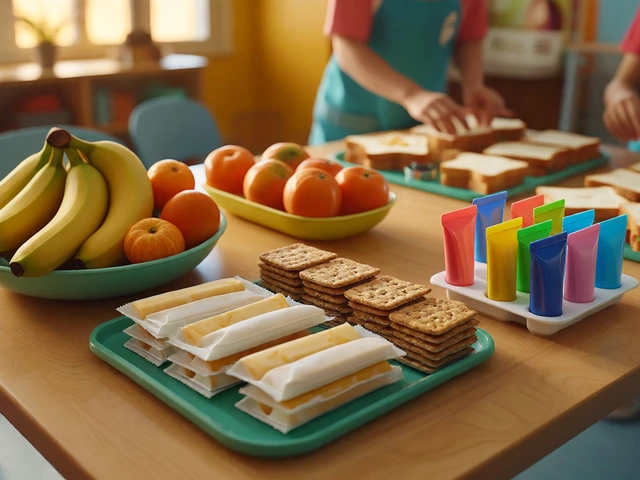
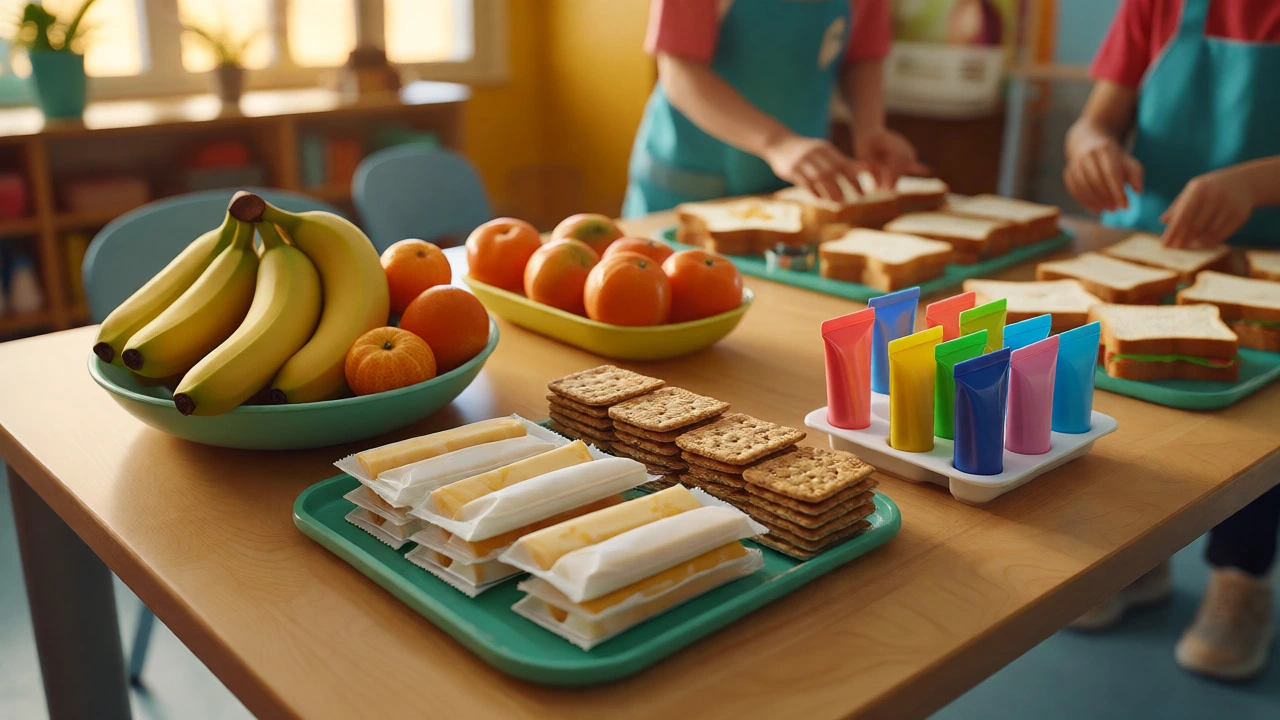
Fresh Fruit is the easiest win. Bananas, mandarins, and apples are durable and don’t need refrigeration until opened. In New Zealand, bananas are consistently one of the cheapest fruits per kilogram. Mandarins are great because they come in their own packaging-no peeling mess on the floor. Apples are sturdy but require washing. If you have access to a sink, wash them in bulk once a week. If not, buy pre-washed bags. Pro tip: Cut apples into wedges and toss them with a little lemon juice so they don’t turn brown and look unappetizing.
Cheese Sticks or Slices offer protein and calcium. Cheese sticks are individually wrapped, which solves the portion control issue instantly. They pair perfectly with crackers or apple slices. Look for brands that are preservative-free if your budget allows, but standard supermarket brands are usually fine for occasional use. Ensure they are kept cold if serving later in the day.
Yogurt Tubes or Pouches are hugely popular with primary-aged children. They are portable, no-spoon-required, and often fortified with vitamins. Choose lower-sugar options when possible, or mix high-sugar tubes with plain yogurt cups and fresh berries. Be mindful of dairy allergies; have a soy or oat-based alternative ready for those who can’t consume milk products.
Smart Savory Options That Kids Actually Eat
Savory snacks can be tricky. You want something salty or umami-rich without resorting to deep-fried junk. Here are three winners.
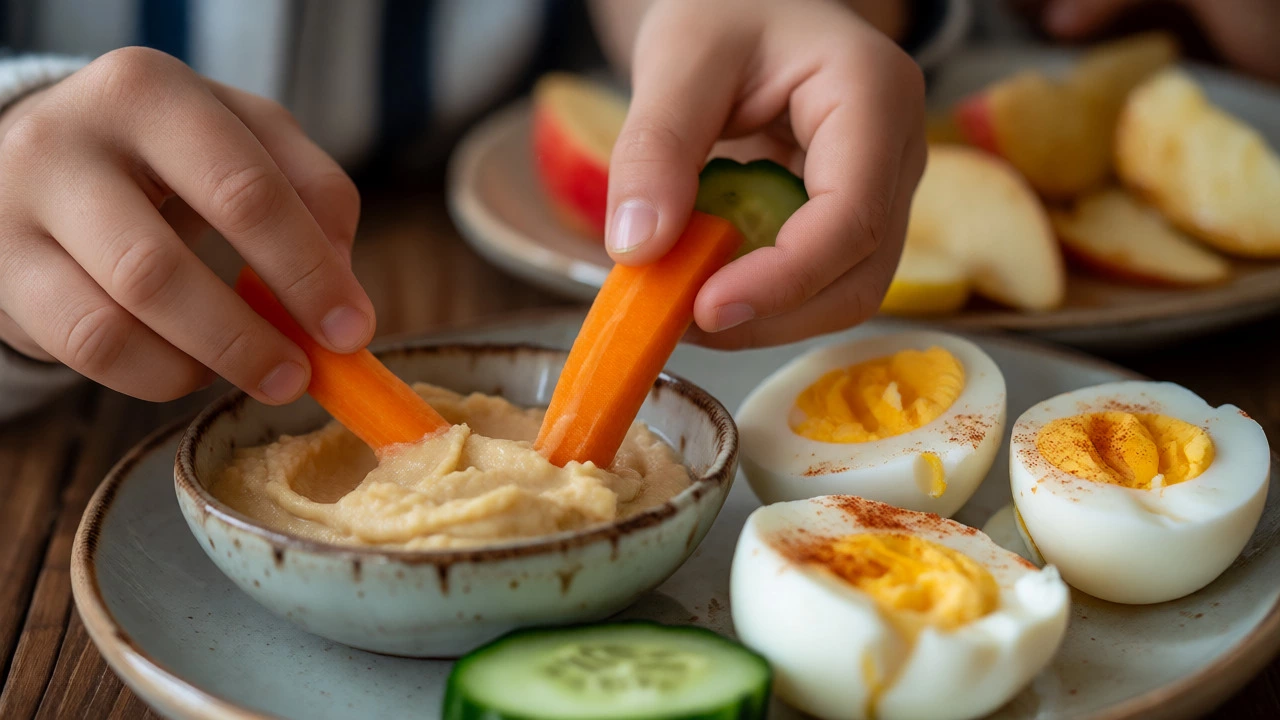
Hummus and Veggie Sticks sounds like a parent’s dream, but it can fail if executed poorly. The key is texture. Carrot sticks must be crisp, not rubbery. Cucumber rounds should be thick enough to hold hummus. Use pita bread triangles instead of soft wraps for dipping. Buy tubs of hummus in bulk rather than single-serve pots-it’s significantly cheaper. If you have volunteers, cutting veggies in advance saves time during the rush.
Hard-Boiled Eggs are an underrated power snack. They are cheap, packed with protein, and keep well in the fridge. Peel them in advance to save time. Sprinkle with a tiny bit of salt or paprika for flavor. Some kids dislike the smell, so test this with your group first. It’s a great option for clubs focused on sports or physical activity, as it helps with muscle recovery.
Mini Sandwiches or Wraps are better than full-sized sandwiches. Use cookie cutters to make shapes if you have the time; kids love eating star-shaped ham and cheese. Fillings like turkey, chicken, or tuna (check for fish allergies) are safe bets. Avoid mayonnaise-heavy fillings if the food sits out for more than two hours. Use cream cheese or avocado mash as alternatives-they stick better and taste fresher.
The Sweet Tooth Strategy: Baking vs. Buying
Kids want sweets. Ignoring this leads to rebellion. The goal is to satisfy the craving without a sugar overdose.
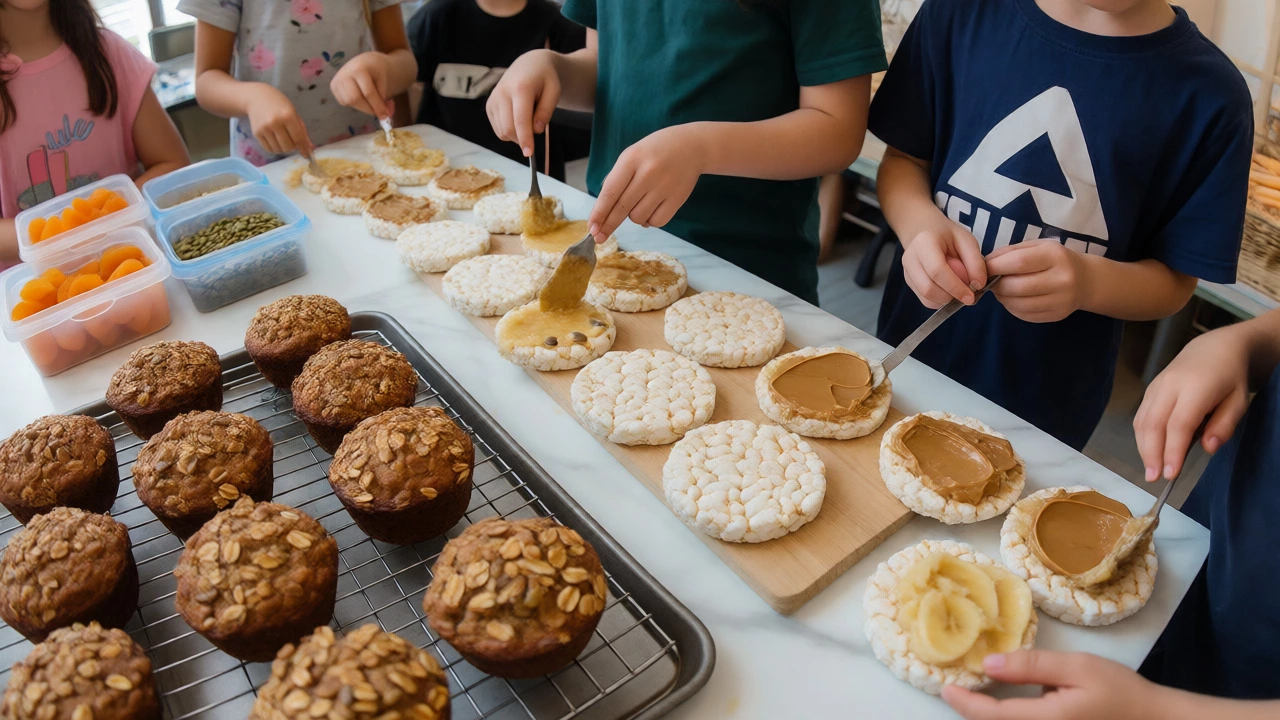
Homemade Muffins are cost-effective if you bake in large batches. Banana oat muffins are a favorite because they are moist, naturally sweet, and hearty. Zucchini or carrot cake muffins hide vegetables effectively. Bake on Sunday, freeze them, and thaw them out daily. One batch of 24 muffins costs roughly $10-$15 in ingredients, compared to $40+ for store-bought equivalents.
Dried Fruit and Nut Mixes (ensure nut-free!) are excellent shelf-stable options. Raisins, sultanas, dried apricots, and sunflower seeds provide natural sweetness and fiber. Portion these into small ziplock bags or reusable containers. They are less messy than fresh fruit and last longer. For nut-free requirements, replace almonds with pumpkin seeds or roasted chickpeas for crunch.
Rice Cakes with Toppings offer a crunchy texture that many kids crave. Plain rice cakes are bland, so set up a "topping bar." Offer peanut butter (if allowed), jam, honey, or mashed banana. Let kids spread their own topping. This turns snack time into an activity and reduces waste because kids only take what they’ll actually eat.
Hydration Matters More Than You Think
Thirst is often mistaken for hunger. Many after-school programs see behavioral issues simply because kids haven’t drunk water since lunch.
Water should always be the default. Install a filtered water fountain or provide large dispensers with paper cups. Encourage kids to drink before eating. If you offer flavored milk, limit it to specific days (e.g., "Chocolate Milk Friday") to manage costs and sugar intake. Juice boxes are okay occasionally, but dilute them with water or choose 100% fruit juice with no added sugar. Remember, liquid calories don’t satiate hunger the way solid food does.
Sample Weekly Menu Plan
Here is a realistic, budget-friendly rotation for a mixed-age after-school club. Adjust based on your specific dietary restrictions.
| Day | Main Snack | Fruit/Veg Side | Drink |
|---|---|---|---|
| Monday | Cheese sticks & Crackers | Apple Wedges | Water |
| Tuesday | Mini Turkey Sandwiches | Cucumber Rounds | Milk |
| Wednesday | Yogurt Tubes | Strawberries (Seasonal) | Water |
| Thursday | Hard-Boiled Eggs | Carrot Sticks | Water |
| Friday | Homemade Banana Muffins | Orange Segments | Juice Box (Small) |
Handling Special Diets and Allergies
Inclusivity is critical. A child excluded from snack time feels isolated. Common restrictions include gluten intolerance, lactose intolerance, and severe nut allergies.
- Gluten-Free: Rice cakes, corn tortillas, and gluten-free oats are easy swaps. Keep a separate knife and board to prevent cross-contamination.
- Lactose-Free: Have soy or almond milk cartons on hand. Use vegan cheese slices or skip dairy entirely on certain days.
- Nut-Free: This is the hardest constraint. Sunflower seed butter is a great substitute for peanut butter. Check labels on granola bars and chocolate chips carefully; many contain traces of nuts.
Always ask parents for updated medical forms at the start of each term. Allergies can change, and new children join mid-year. Label every container clearly with allergen icons (e.g., a crossed-out peanut).
Cost-Saving Hacks for Program Managers
Budgets are rarely generous. Here’s how to stretch every dollar.
Buy seasonal produce. In New Zealand, stone fruits like peaches and plums are expensive in winter but cheap in summer. Switch to citrus and kiwi fruit when the weather cools. Join wholesale markets like Auckland Wholesale Market or local equivalents in Wellington or Christchurch if you have transport. Buying a crate of bananas is far cheaper than buying bunches from the supermarket.
Reduce packaging waste. Single-use plastic wrappers add up. If you have the staff, prep snacks in reusable containers. Wash and reuse yogurt pots for storing dips or cut fruit. This also teaches kids environmental responsibility, aligning with broader community values.
Partner with local bakeries or grocers. Many businesses donate near-expiry bread, fruit, or pastries to community groups. Offer to put up a sign thanking them in exchange for weekly donations. It builds community goodwill and lowers your grocery bill.
What to Avoid: The Snack Failures
Some foods look good on paper but cause chaos in practice.
- Potato Chips: Too greasy, too salty, and the bag makes noise. Plus, they leave orange dust on everything.
- Gummy Bears/Candy: Pure sugar crash waiting to happen. Also, a choking hazard for younger kids.
- Whole Grapes: Unless cut in half, they are a serious choking risk for children under five. Always slice them lengthwise.
- Hot Dogs/Sausages: Require heating, create grease, and often contain high sodium and nitrates. Not worth the effort unless you have industrial equipment.
How much should I budget per child for after-school snacks?
In New Zealand, a reasonable budget ranges from $2.50 to $4.00 NZD per child per session. This covers a balanced snack including a protein source, a fruit or vegetable, and a drink. Costs vary depending on whether you bake in-house or buy pre-packaged items. Baking generally lowers costs but increases labor hours.
Are nut-free policies mandatory for after-school clubs?
While not legally mandated by national law, most schools and community centers enforce strict nut-free policies due to the severity of potential allergic reactions. It is best practice to assume all after-school venues are nut-free unless explicitly stated otherwise. Always verify with the host institution and individual participant medical forms.
How do I handle picky eaters who refuse healthy snacks?
Don’t force them to eat. Instead, offer choices. Present two acceptable options (e.g., "Would you like an apple or a banana?"). Give them autonomy. Often, refusal is about control, not taste. Also, involve them in preparation-kids are more likely to eat food they helped prepare. Consistency helps too; eventually, curiosity wins out.
Can I serve homemade food in commercial after-school programs?
Yes, but regulations vary by region and funding body. Generally, homemade food is allowed if prepared in a compliant kitchen and handled safely. You must maintain hygiene records and temperature logs. Check with your local council or health authority for specific guidelines regarding home-prepared food in community settings.
What are the best non-dairy calcium sources for snacks?
Fortified plant milks (soy, almond, oat), tofu cubes, canned salmon with bones, and leafy greens like kale (often blended into smoothies) are excellent sources. Sesame seeds and tahini are also rich in calcium and can be used in dips. Ensure these options are part of a varied diet throughout the week.