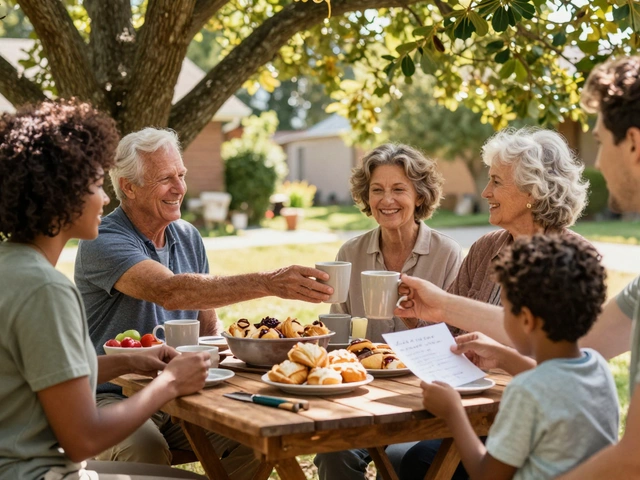
Ever wondered what a community outreach leader does? These folks are the bridge between organizations and the communities they serve. Imagine a friendly neighbor who's also a problem-solver and a connector. Their job is to understand community needs and bring the right resources to the table.
Building relationships is at the heart of their role. They organize events, strategize plans, and sometimes play peacemaker between groups with different interests. Communication skills? Absolutely vital. They need to listen actively and speak clearly to both community members and organization stakeholders.
And it doesn't stop at just talking. They have to be savvy planners, organizing everything from community meetings to partnerships with local businesses. Staying adaptable and resourceful is key because no two communities are the same.
If you're curious about getting into community outreach or just want to know more about how these leaders really make a mark, stick around as we explore deeper into their responsibilities and how they juggle them day to day.
- Defining Community Outreach Leadership
- Core Responsibilities and Skills
- Strategies for Effective Engagement
- Challenges Faced and How to Overcome Them
- Real-world Examples and Tips
Defining Community Outreach Leadership
When it comes to making a difference in a community, a community outreach leader is often at the forefront. Their main gig? Acting as the go-between for organizations and the communities they serve. But what does that really mean?
At its core, this role is all about building connections and trust. Imagine someone who's as comfortable chatting at a town hall as they are in a boardroom. They need to know the lay of the land—understand local issues, cultural norms, and find out what really matters to the folks living there. It's like being a local translator, if you will, except instead of languages, it's values and priorities.
Many people don't realize that community outreach isn't just about organizing events or handing out flyers. It's strategic and involves a deep understanding of both the community and the organization the leader represents. Leaders plan initiatives, develop projects, and create programs that align with both community needs and organizational goals.
For example, in areas with limited healthcare access, a community outreach leader might work with both local clinics and residents to establish health programs or mobile clinics. This is where their ability to balance interests comes in handy, making sure everyone feels like a part of the solution.
Key Characteristics
What makes a strong community outreach leader stands out is their ability to build relationships and communicate effectively. They're usually empathetic, enjoy solving problems, and can juggle multiple tasks without breaking a sweat. Plus, having a knack for negotiation helps when trying to convince both sides to work together.
- Empathy and understanding of community dynamics
- Strong communication and negotiation skills
- Good organizational skills and strategic thinking
- A passion for making a positive impact
Their work often involves collaboration with various community groups, local businesses, and government entities. Imagine the coordination that goes into a local clean-up project or a neighborhood safety program—it's the community outreach leader's job to bring everyone together to pull it off.
Core Responsibilities and Skills
Being a community outreach leader is all about wearing multiple hats and finding balance. Let's break down some of the main responsibilities and skills that make these roles so essential and sometimes just a bit challenging.
Building Relationships
The first stop on our journey is about building strong, trusting relationships. This isn't just about having a friendly chat over coffee, though that's part of it. It's about fostering a genuine connection with community members and understanding what makes them tick. Knowing the pulse of the community can make or break your outreach efforts.
Effective Communication
If you've got a way with words, you're already ahead of the game. Outreach leaders need excellent speaking and listening skills to convey ideas clearly and understand community concerns. Regular communication with both the organization and the community helps keep everyone on the same page.
Organizational Savvy
It's not just about talk. You need to be organized to manage events, initiatives, and community programs. This could mean planning a neighborhood event or collaborating with local businesses to boost resources. Good planning helps ensure nothing falls through the cracks, keeping everything running smoothly.
Problem Solving
Communities come with their share of challenges. Here comes the need for strong problem-solving skills. Whether it's addressing skepticism in the community or navigating budget constraints, outreach leaders need to think on their feet and come up with practical solutions that work for everyone involved.
Empathy and Cultural Sensitivity
Lastly, empathy and cultural awareness stand out as must-have skills. Understanding diverse community backgrounds and respecting varying perspectives is crucial. It builds inclusivity and ensures programs are accepted by everyone involved.
| Skill | Importance |
|---|---|
| Relationship Building | High |
| Communication | High |
| Organizational Skills | Medium |
| Problem Solving | High |
| Empathy | High |
These skills all work together to enable a community outreach leader to make meaningful connections and positive impacts. If this sounds like a challenge you're ready to tackle, honing these skills can set you on the path to success in community outreach work!

Strategies for Effective Engagement
When it comes to being a successful community outreach leader, having the right strategies in your toolkit can make all the difference. Let's break down some practical approaches to get the ball rolling and keep the community engaged.
Know Your Audience
Understanding who you're talking to is crucial. Spend some time getting to know the people in the community. What are their interests, concerns, and cultural backgrounds? This knowledge can guide how you approach discussions and tailor activities to make them more inclusive and impactful.
Build Genuine Relationships
It’s all about trust. Building strong relationships based on respect and honesty lays the foundation for effective engagement. People are more likely to participate and share their thoughts if they feel respected and valued.
Create Opportunities for Feedback
People want to feel heard. Set up informal meetings, suggestion boxes, or even leverage social media for feedback collection. Be open to criticism and ready to adapt plans based on what you hear. This doesn't just help you improve strategies, but it also increases the community's trust in your leadership.
Leverage Local Resources
Sometimes, the best resources are right in the community. Local businesses, schools, or libraries can offer venues, materials, or even sponsorships. Involving them can boost your outreach while fostering a sense of local pride and cooperation.
Utilize Data for Improvement
Collecting and analyzing data can help identify what's working and what isn't. Simple surveys or participation levels can provide insights. Here's a quick look at how community involvement might change over time:
| Month | Event Attendance | Feedback Received |
|---|---|---|
| January | 150 | 60 |
| February | 200 | 90 |
| March | 180 | 50 |
Tracking these numbers helps tweak strategies, ensuring maximum impact and satisfaction.
Be Visible and Approachable
Your presence matters. Attend community events, stay accessible through emails or community visits, and always be open for a chat. The more people see and relate to you, the easier it becomes to gain their support.
By implementing these strategies, you're not just reaching out, you're pulling the community closer, ensuring everyone feels like part of the conversation.
Challenges Faced and How to Overcome Them
Being a community outreach leader isn't always a walk in the park. There are hurdles that can trip you up if you're not prepared. Let’s dive into those roadblocks and how to handle them like a pro.
Challenge 1: Limited Resources
Many outreach programs operate on tight budgets and with few staff. This can make it tough to plan events or gather resources.
How to Overcome: Tap into local businesses and volunteers for support. They can provide venues, materials, or their time, turning constraints into opportunities. Building strong partnerships can bolster your resources significantly.
Challenge 2: Engaging Diverse Communities
Communities are often diverse, with people from different backgrounds and interests. Engaging everyone can seem daunting.
How to Overcome: Tailor your communication strategies. Understand the unique needs of your community segments and customize your approach. Use inclusive language and invite feedback to ensure everyone feels heard.
Challenge 3: Resistance to Change
Sometimes communities are hesitant to embrace new programs or changes, often due to past experiences or fear of the unknown.
How to Overcome: Transparency is key. Keep communication open and honest, explaining the benefits and addressing concerns head-on. Show success stories or testimonials from similar communities to build trust.
Challenge 4: Measuring Impact
It's hard to measure success when you're working with community growth and engagement, especially when changes are subtle or take time.
How to Overcome: Set clear, measurable goals right from the start. Regularly evaluate progress through surveys, feedback sessions, and reports. Use data to refine strategies and show stakeholders the program’s value.
| Challenge | Overcoming Strategy |
|---|---|
| Limited Resources | Partner with local businesses for support |
| Diverse Engagement | Customize communication tactics |
| Resistance to Change | Maintain transparency and build trust |
| Measuring Impact | Set clear, measurable goals |
Taking a proactive approach to these challenges makes a big difference. Being adaptable and open to learning as you go ensures you not only face these challenges head-on but come out stronger on the other side.

Real-world Examples and Tips
Let’s dive into some real-world examples of how amazing community outreach leaders make things happen and share a few tips while we're at it.
Turning Around a Local Park
Take the story of Jane, a community outreach leader in Cleveland. She saw her local park falling apart and decided to do something about it. Jane didn't just jump in with her own ideas. First, she held a town hall meeting right there in the park. Folks from around the neighborhood came out, someone even brought snacks (never underestimate the power of cookies!), and they all shared ideas about what they wanted to see happen.
Jane created an action plan based on that meeting, prioritizing ideas that matched city resources. In no time, there were new swings, a dog run, and even a community garden. People in that neighborhood didn't just see a better park; they saw how they could make a difference. Here’s a tip: listening can lead to great insights.
Connecting with Local Businesses
Another savvy leader, Mike, worked wonders by building partnerships with local businesses in Austin. He called it the “Shop Local, Give Local” campaign. He convinced businesses to donate a portion of their sales one day each month to local causes. It was a win-win: businesses got more traffic, and the funds helped keep local programs running. Everyone loves a good deal that also does some good!
A tip from Mike? Always look for ways to create win-win scenarios. Engaged businesses might even become allies for future endeavors.
Effective Tips for Aspiring Leaders
- Stay Accessible: Make sure people know you’re open to conversation. Keep your contact details visible, and don’t be shy to reach out first.
- Leverage Social Media: Use it to keep folks updated on what’s happening and encourage them to get involved.
- Reflect and Adapt: Not every plan will work, but every experience is a lesson. Adjust your strategies based on what you learn.
If you’re passionate about making a difference, remember that being a community outreach leader is all about connection and action. Tap into those local networks and don’t forget to celebrate small wins along the way!