Social Club Finder
Find Your Community
Answer a few questions to discover inclusive social clubs in New Zealand
Your Matching Clubs
Tip: Many clubs use the "observe-then-ask" approach. Attend public events first to see if the club feels welcoming.
Ever walked past a quiet building with a sign that says social club and wondered if you could just walk in? Maybe you saw people laughing over drinks, playing cards, or chatting over dinner and thought, ‘Can I join them?’ The answer isn’t as simple as yes or no. Social clubs aren’t all the same. Some are open to anyone. Others feel like secret societies. And some? They’ve been shut off for decades - not by law, but by habit.
What even is a social club?
A social club is a group of people who come together regularly for friendship, shared interests, or recreation. It’s not a business. It’s not a nonprofit. It’s not a church. It’s a space built around connection. Some are old-school: think men’s clubs from the 1950s with leather chairs and pipe smoke. Others are modern: book clubs that meet in cafes, hiking groups organized on Facebook, or immigrant communities hosting weekly dinners.
What they all share is a sense of belonging. But belonging doesn’t mean open doors. Many clubs operate as private organizations. That means they can set their own rules - who gets in, who doesn’t, and why.
Who can join? It depends on the club
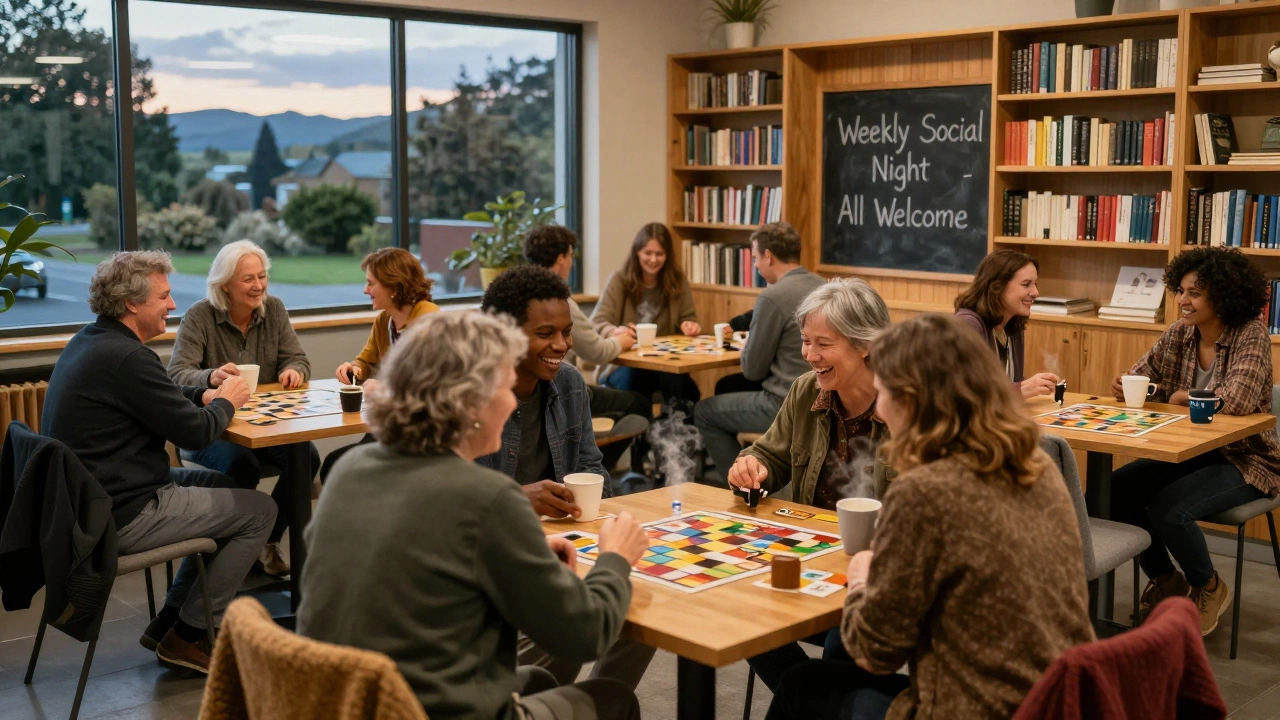
There’s no universal rule. Some clubs are completely open. You show up, pay a small fee, and you’re in. Community centers in Wellington, like the ones in Newtown or Petone, host weekly social nights where anyone can walk in. No invitation needed. Just bring your curiosity.
Other clubs require sponsorship. That means you need someone who’s already a member to vouch for you. It’s not about being ‘cool enough’ - it’s about trust. These clubs often have long waiting lists. The reason? They’re small. They want to keep the vibe right. Too many new people too fast can break the rhythm.
Then there are the ones that feel off-limits. Historic clubs, like the old gentlemen’s clubs in Auckland or Christchurch, still have membership policies that favor certain backgrounds. They might not say it outright, but the culture speaks louder than any rule. Women, younger people, or those from different ethnic groups may feel unwelcome - even if they’re not officially banned.
Why do some clubs stay exclusive?
It’s not always about snobbery. Sometimes it’s about survival. A club that’s been around for 80 years might have a small building, limited funds, and a tight-knit group. Opening the doors wide could mean losing the very thing that made it special: consistency, familiarity, shared history.
But exclusivity can also be a shield. Some clubs use tradition to avoid change. They say, ‘This is how we’ve always done it,’ when what they really mean is, ‘We’re not ready to let new people in.’ That’s where the line between privacy and discrimination gets blurry.
In New Zealand, the Human Rights Act protects against discrimination based on race, gender, age, or sexual orientation. If a club refuses membership based on those factors, it’s illegal - even if it’s private. But proving that? That’s another story. Most people don’t have the time or energy to fight it.

How to actually get in
If you want to join a club, here’s what works:
- Start by observing. Go to their public events - open nights, coffee mornings, or community fairs. See how people interact.
- Talk to someone. Not just the person at the door. Find someone who seems relaxed, happy, and willing to chat. Ask them what they like about the club.
- Ask how to apply. Don’t assume you’re not welcome. Just ask: ‘I’d love to get involved. How do people usually join?’
- Be patient. Some clubs take months to process applications. That’s normal. It’s not personal.
- Don’t take ‘no’ personally. Sometimes it’s not about you. It’s about capacity, timing, or internal politics.
There are also newer kinds of social clubs that don’t play by old rules. Think of the Wellington Book Club that meets every Thursday at the Central Library. Or the Māori language café in Hataitai where anyone can come to practice te reo. These aren’t hidden. They’re designed to be inclusive.
What if you’re turned away?
It stings. You show up, you put yourself out there, and you get a cold shoulder. That’s not rare. But here’s the thing: there are dozens of other clubs. Not every club needs to be yours.
If one club says no, look for another. The social club scene in New Zealand is growing - especially among younger people, retirees, and newcomers. There are clubs for gamers, gardeners, solo travelers, single parents, and people recovering from illness. You don’t need to force your way into a space that doesn’t want you. Find one that does.
And if you’re the kind of person who wants to make a space more welcoming? Start your own. All you need is a room, a time, and the courage to say, ‘Hey, let’s get together.’ That’s how many of today’s inclusive clubs began - not with a sign on the door, but with a simple invitation.
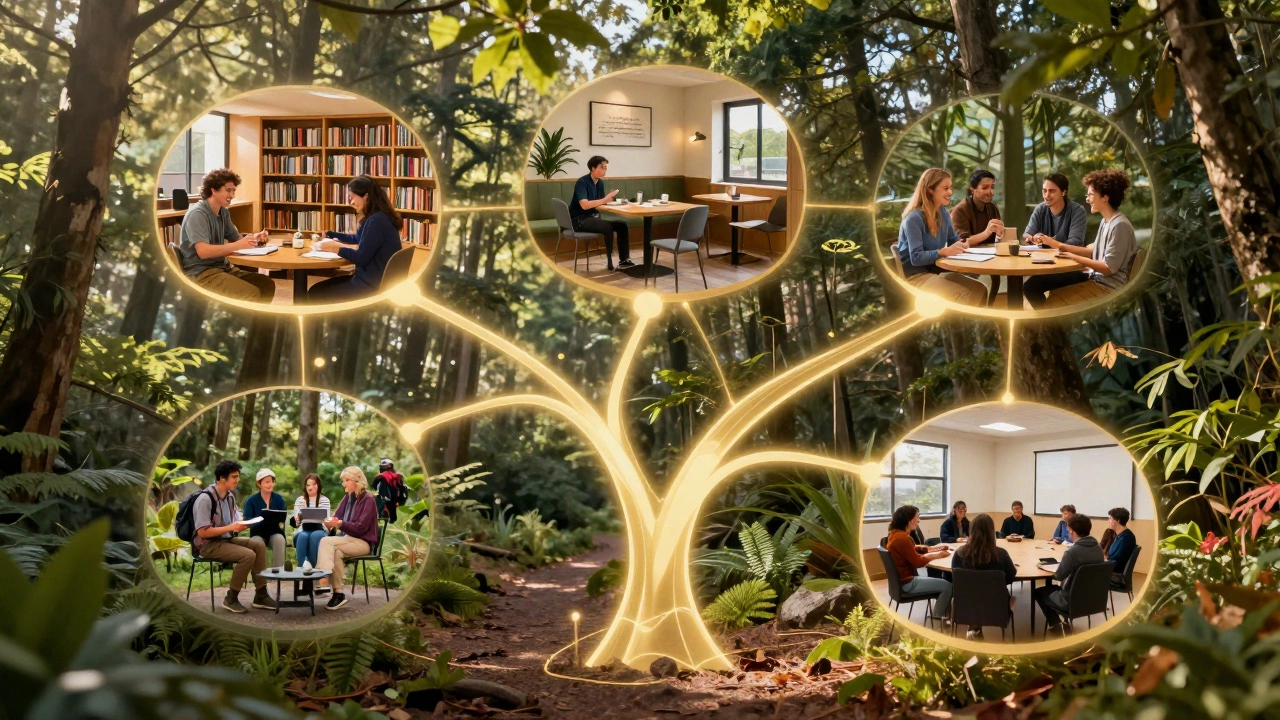
Are social clubs dying?
Some are. The old, male-dominated, dues-paying clubs are shrinking. Membership rolls are aging. Many don’t have enough new people coming in to replace those who leave.
But new kinds of clubs are rising. Digital platforms have made it easier to find people with the same hobbies. Meetup.com, Facebook groups, and even local libraries are now hubs for social connection. You don’t need a velvet rope or a membership card anymore. You just need to show up.
The future of social clubs isn’t in exclusive basements. It’s in community halls, coffee shops, and parks. It’s in people saying, ‘You’re welcome here,’ without waiting for permission.
Final thought: You don’t need an invitation to belong
Belonging isn’t something you’re given. It’s something you build. You don’t have to wait for a club to open its doors. You can knock, you can ask, you can show up - and if they don’t let you in? You find a different door. Or you build your own.
The best social clubs aren’t the ones with the fanciest furniture or the longest history. They’re the ones where someone looks up from their tea and says, ‘You’re new, right? Come sit with us.’