Environmental Groups – Who They Are & How to Join the Fight
When you hear the word "environmental group" you might picture a tree‑hugger on a protest sign. In reality, these groups come in all shapes and sizes – from village‑level clean‑up clubs to national nonprofits that negotiate climate policy. Knowing the range helps you find the right fit for your interests, skills, and the impact you want to make.
Types of Environmental Groups
Broadly, environmental groups fall into three categories. First, grassroots activists are local teams that focus on a single issue like river cleanup, waste segregation, or protecting a nearby forest. They rely on volunteers and often organize community events, school talks, or street campaigns.
Second, mid‑size NGOs operate across districts or states. They usually have a small staff, a registered charity status, and run programs such as renewable‑energy installations, wildlife rescue, or environmental education in schools. Examples in India include the Wildlife Trust of India and the Centre for Science and Environment.
Third, large national or international organizations have extensive funding, policy teams, and global networks. They influence legislation, manage large conservation projects, and often partner with governments. Groups like the World Wide Fund for Nature (WWF) India or the Sierra Club’s Indian chapters belong here.
Each type plays a different role, but they all share a common goal: protecting natural resources and driving sustainable change. Picking one depends on how hands‑on you want to be and whether you prefer local action or broader advocacy.
How to Get Involved
Ready to jump in? Start by researching a group’s mission. Look for clear objectives, transparent finances, and real‑world results – most reputable NGOs publish annual reports or impact stories on their websites.
If you enjoy physical work, volunteer for clean‑up drives, tree‑planting days, or citizen‑science surveys. Even a few hours a month can add up, especially for grassroots clubs that need extra hands during events.
For those who prefer behind‑the‑scenes tasks, consider offering skills like graphic design, data entry, or grant writing. Many mid‑size NGOs rely on pro‑bono professionals to keep operating costs low.
Donations are another powerful lever. Look for groups that allocate at least 70% of funds directly to programs; this information is usually in a financial breakdown. Setting up a monthly contribution spreads your impact over time and helps the organization plan long‑term projects.
Finally, amplify the cause on social media. Sharing success stories, tagging the organization, or starting a local awareness campaign can attract new supporters and put pressure on decision‑makers.
Whether you’re a student, a working professional, or a retiree, there’s a spot for you in India’s environmental landscape. Find a group that matches your passion, check its credibility, and take one concrete step today – your effort adds up, and together we can keep the planet healthy for the next generation.
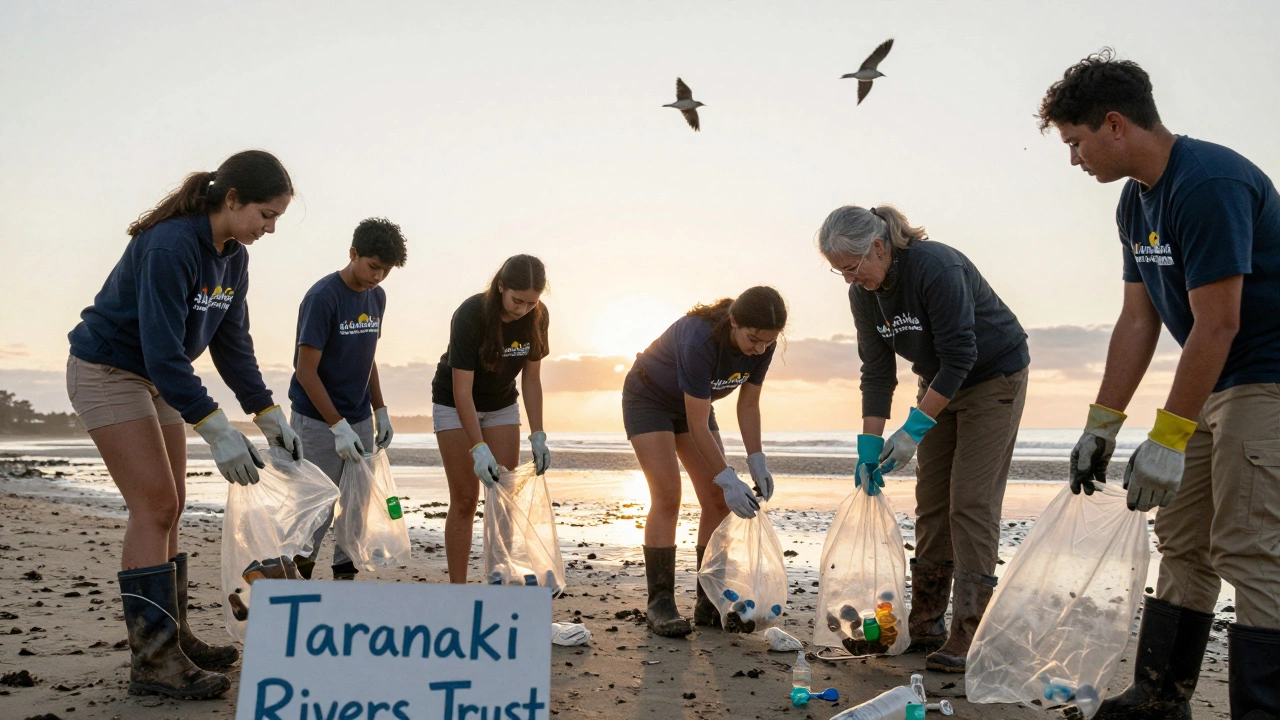
What Is a Group That Helps the Environment?
Environmental groups are organized communities that protect nature through advocacy, cleanup, education, and legal action. From local beach cleanups to global climate campaigns, these groups turn concern into real change. Find one near you and join the movement.
Read More
What Are the Major Roles of Environmental Groups?
Environmental groups drive real change by shaping laws, suing polluters, educating communities, and pressuring corporations. They protect nature, fight for clean air and water, and empower people to act-making them essential to a sustainable future.
Read More
Top Environmental Charities That Help the Earth in 2026
Discover the top environmental charities making real progress in 2026. Learn how organizations like WWF and The Nature Conservancy protect ecosystems, reduce plastic pollution, and fight climate change. Find out how your donations create measurable impact.
Read More
What Are the Three Main Environmental Problem Groups?
The three main environmental problem groups are pollution, climate change, and biodiversity loss. These issues are deeply connected and threaten ecosystems, health, and food security worldwide. Understanding them is the first step to meaningful action.
Read More
Who Is the Most Famous Environmentalist? Meet the People Who Changed the World
Who is the most famous environmentalist? Rachel Carson, Wangari Maathai, and Greta Thunberg each transformed how the world sees nature. Their actions sparked global movements, changed laws, and inspired millions to act.
Read More
Do You Know of Any Environmental Groups? Here Are 7 Active Ones Making a Difference
Discover seven active environmental groups making real change - from global giants like Greenpeace to local clean-up crews. Learn how to join, what they do, and how you can help protect the planet.
Read More
What Is the Best Environmental Charity? Top Picks Based on Impact, Transparency, and Results
Discover the top environmental charities that deliver real results-not just feel-good campaigns. Learn which groups protect forests, clean oceans, and change policy with proven impact and transparency.
Read More
What Is the Biggest Threat to Earth? Climate Change Explained
Explore why climate change is the greatest threat to Earth, how it amplifies other dangers, and actionable steps you can take to protect the planet.
Read More
What Charity Protects the Environment? Best Environmental Charities and How to Choose (2025)
Want your donation to actually protect the planet? See the best environmental charities in 2025, how to vet them, and a simple plan to give with real impact.
Read More
The World's Largest Environmental Interest Group: Unpacking Their Influence
Explore the largest environmental group on the planet, what they do, and how they shape the fight for nature. Real facts, practical tips, and surprising influence.
Read More
Earth in Crisis: Environmental Changes and Challenges of 2024
A deep dive into Earth’s current condition in 2024, exploring climate shifts, extreme weather, and how everyday people can make a difference.
Read More
The Three Main Groups of Environmental Management: Explained Simply
Explore the three main groups of environmental management and see how each plays a part in shaping our planet’s future. Dive into practical facts, tips, and real-world examples.
Read More- 1
- 2